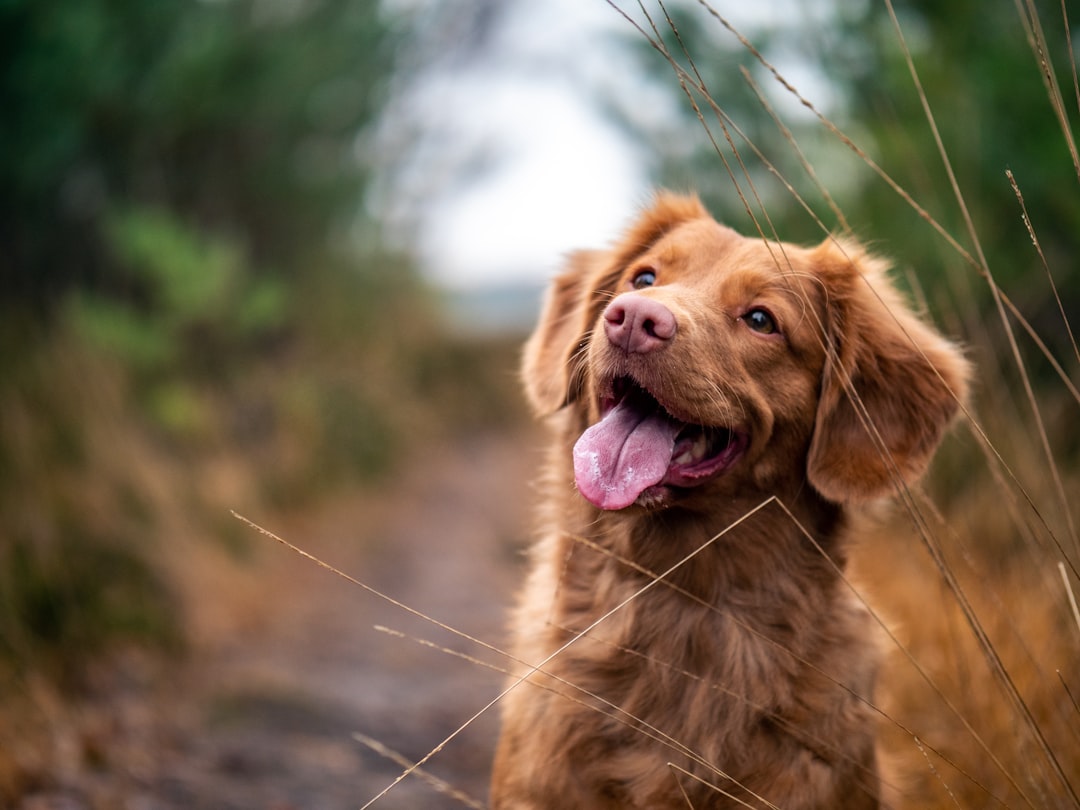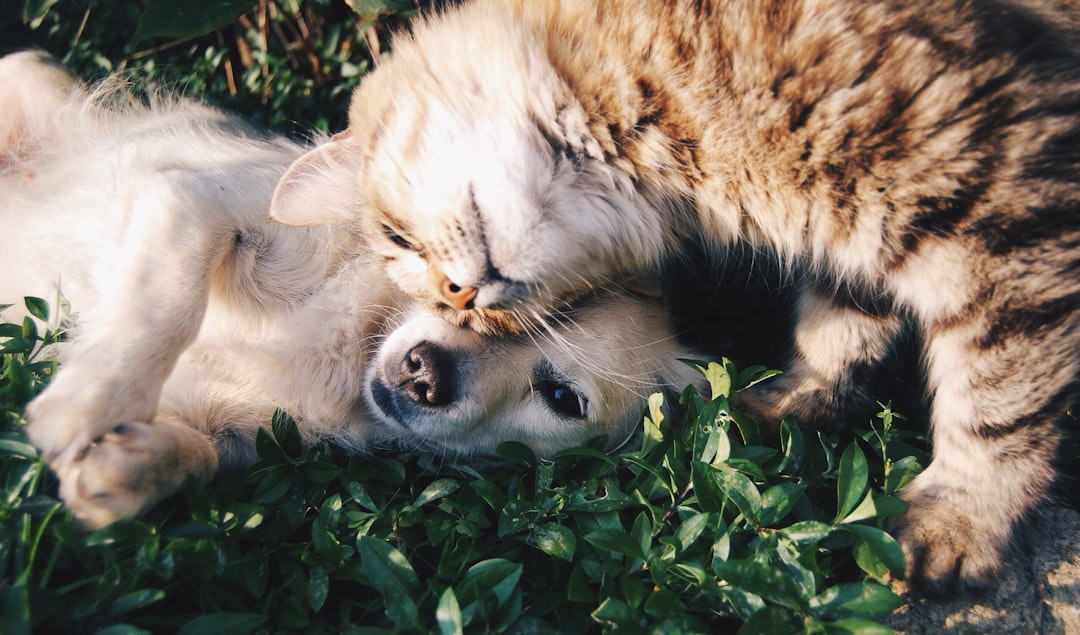
Group dog walks in San Diego represent a structured form of communal activity for dog owners and their canine companions. These walks facilitate both physical exercise and social interaction, addressing the needs of dogs and their human counterparts. The city’s varied topography, encompassing beaches, parks, and urban trails, provides a diverse set of environments for these organized outings. Participants often seek to improve their dogs’ social skills, manage behavioral issues, or simply enjoy a shared activity with like-minded individuals.
The concept of organized group dog walks stems from a confluence of factors, primarily the increasing urbanization of human populations and the consequent need to provide structured environments for pet socialization. As cities grow, open, unrestricted spaces for dogs to interact naturally become scarcer. This scarcity creates a demand for curated experiences that mimic or replace past freedoms.
Historical Context of Dog Socialization
Historically, dogs, particularly those living in rural or semi-rural settings, had ample opportunities for natural socialization. They encountered other dogs during their daily routines, learning canine social cues through direct, often unsupervised, interaction. The shift towards primarily indoor living for many domestic dogs, coupled with leash laws and enclosed yard spaces, has altered this dynamic significantly. This change has led to a noticeable deficiency in a dog’s exposure to varied canine behaviors, potentially contributing to common issues like leash reactivity or inter-dog aggression.
The Rise of Organized Pet Activities
The late 20th and early 21st centuries witnessed a significant increase in the professionalization of pet care. This era saw the emergence of dog trainers, behaviorists, and pet sitters, all catering to an increasingly sophisticated pet-owning demographic. Group walks are a natural extension of this trend, offering a structured, semi-supervised environment that bridges the gap between individual pet ownership and comprehensive behavioral training. They serve as a middle ground, providing benefits that individual walks cannot replicate.
Community Building and Pet Ownership
Beyond the dogs, these walks foster a sense of community among human participants. Pet ownership, particularly dog ownership, often creates a shared identity. Group walks capitalize on this, allowing owners to exchange advice, share experiences, and build social connections. This human element is a significant, though often secondary, benefit of the program.
Benefits for Dogs: Socialization and Behavior
The primary objective of San Diego group dog walks is to provide a controlled environment for canine socialization and to promote healthy behavioral patterns. Dogs, much like humans, benefit from diverse social interactions.
Controlled Socialization Opportunities
Uncontrolled interactions between dogs can sometimes lead to aggression, fear, or other undesirable behaviors. Group walks aim to mitigate these risks by establishing guidelines and often having experienced organizers present. This controlled environment allows dogs to practice appropriate greeting rituals, understand canine body language, and learn to navigate various social situations without undue stress. Think of it as a classroom for dogs, where lessons are learned through observation and gentle interaction, rather than chaotic free-play.
Reducing Leash Reactivity
One of the most common issues dog owners face is leash reactivity, where a dog barks, lunges, or pulls aggressively towards other dogs while on a leash. Group walks, when properly managed, can be instrumental in addressing this. By consistently exposing reactive dogs to other dogs in a non-threatening, calm environment, and allowing them to observe appropriate interactions, their learned reactive behaviors can gradually be desensitized and counter-conditioned. They learn that the approach of another dog does not necessitate an aggressive response.
Building Confidence
For timid or fearful dogs, group walks offer an opportunity to build confidence. Observing other dogs interacting calmly and experiencing positive social encounters can help these dogs overcome their anxieties. The presence of multiple calm dogs can act as a stabilizing force, providing a sense of security that a single dog might not experience. It’s akin to a child overcoming shyness by observing their peers in a supportive group setting.
Reinforcing Good Manners
Within a group setting, dogs are implicitly encouraged to maintain good manners. Disruptive behavior is often quickly identified and addressed by owners or organizers, preventing it from escalating. This collective reinforcement of positive behavior, such as walking politely on a leash or respecting personal space, creates an environment where desirable behaviors are naturally practiced and strengthened.
Physical Exercise and Mental Stimulation
Beyond social benefits, group walks provide substantial physical exercise tailored to the needs of the participating dogs. The varied terrain and duration of San Diego walks ensure a comprehensive physical workout.
Combating Sedentary Lifestyles
Many urban dogs spend a significant portion of their day alone or in confined spaces, leading to insufficient exercise. Group walks offer a reliable schedule for consistent physical activity, which is crucial for a dog’s overall health and well-being. Regular exercise helps manage weight, improves cardiovascular health, and reduces the likelihood of boredom-induced destructive behaviors.
Mental Engagement
The act of walking in a new environment, encountering new smells, and navigating social dynamics provides significant mental stimulation. Dogs are highly intelligent animals that require more than just physical exertion; they need to engage their brains. The sensory richness of a group walk, with its myriad sights, sounds, and scents, acts as a powerful cognitive stimulant, helping to prevent boredom and alleviate anxiety. It’s a mental puzzle for them, constantly engaging their senses and decision-making processes.
Benefits for Owners: Education and Community

While the primary focus is on the dogs, the human element of San Diego group dog walks is deeply significant. Owners gain practical benefits, educational opportunities, and a sense of belonging. The walks effectively create a bridge between individual pet ownership and a broader social network centered around shared interests.
Practical Training and Behavioral Guidance
Many group walks are organized or attended by experienced dog owners, trainers, or behaviorists. This provides an informal educational setting where owners can observe effective dog handling, receive advice, and discuss specific behavioral challenges. This shared knowledge base is invaluable, often exceeding what one might learn from solitary research or individual training sessions.
Learning from Observation
Observing how other owners handle their dogs, particularly in challenging situations, can be a powerful learning tool. You might see new leash handling techniques, verbal cues, or strategies for managing inter-dog interactions that you can then apply to your own dog. This observational learning is often more effective than abstract instruction, as it provides real-world context and immediate examples.
Peer Support and Advice
The community aspect of group walks fosters a supportive environment. Owners can share concerns, celebrate successes, and receive empathetic feedback from others who understand the nuances of dog ownership. This peer support network can be particularly helpful for new dog owners or those struggling with a difficult behavioral issue. It’s a collective brain trust, where diverse experiences are pooled for mutual benefit.
Building a Sense of Community
One of the most understated benefits of group dog walks is the strong sense of community they foster among human participants. In an increasingly digitally connected but physically disconnected world, these walks provide a tangible opportunity for face-to-face interaction and the formation of genuine relationships.
Shared Identity and Purpose
Dog owners often share a unique bond derived from their common experiences and dedication to their pets. Group walks amplify this shared identity, creating a collective purpose centered around the well-being of their dogs. This shared purpose is a powerful catalyst for social connection.
Networking and Friendship
Beyond dog-related conversations, participants often find common interests and develop friendships. These connections can extend beyond the walks, leading to further social gatherings, playdates for their dogs, or even support networks for other life events. The dogs act as social catalysts, opening doors for human interaction that might otherwise remain closed.
Structure and Organization of Group Walks
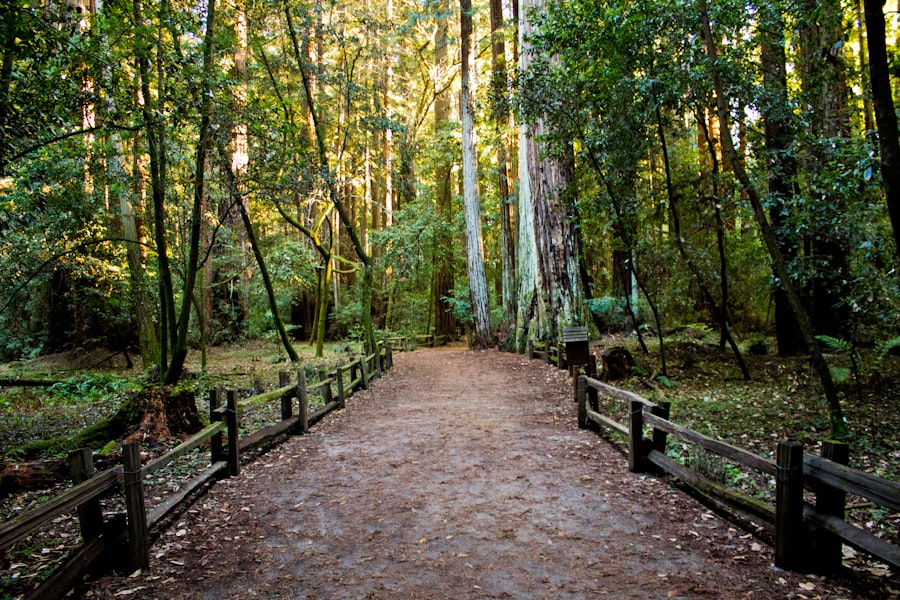
San Diego group dog walks vary significantly in their structure, frequency, and specific objectives. Understanding these variations is crucial for an owner to select the most appropriate group for their dog’s temperament and their own goals.
Types of Group Walks
Group walks are not monolithic; they encompass a spectrum of formats, each catering to different needs and preferences.
Casual Social Walks
These are informal gatherings focused primarily on relaxed exercise and social interaction. They typically have minimal rules beyond basic leash etiquette and responsible waste disposal. The emphasis is on fun and casual interaction for both dogs and owners.
Structured Training Walks
Some groups incorporate training elements into their walks. These might include practicing obedience commands in a distracting environment, working on leash manners, or specific desensitization exercises for reactive dogs. These walks often have a designated leader with training experience who provides guidance and support.
Themed Walks
Certain walks may be themed around specific activities, such as “sniff walks” where dogs are encouraged to explore scents, or “urban exploration walks” that navigate city environments. These themes add novelty and additional mental stimulation.
Finding a Group Walk in San Diego
San Diego, with its large dog-owning population, offers numerous avenues for finding suitable group walks.
Online Platforms and Social Media
Websites like Meetup.com, Facebook groups, and dedicated pet forums are popular platforms for organizing and discovering group walks. These platforms allow organizers to post details, schedules, and rules, and prospective participants to join and interact.
Local Pet Stores and Dog Parks
Many local pet supply stores and reputable dog parks often host or advertise group walks. They serve as community hubs where information is shared, and connections are made. Some stores might even sponsor walks to build community loyalty.
Professional Dog Trainers and Behaviorists
Dog trainers and behaviorists often organize group walks as part of their training programs or as a standalone service. These walks are typically more structured, often focusing on specific behavioral goals, and may come with a fee.
Etiquette and Safety Guidelines
For group walks to be successful and safe, adherence to a set of common etiquette and safety guidelines is paramount. These rules are designed to protect all participants, both human and canine.
Leash Requirements
Almost all group walks require dogs to be on a leash for safety and control. The length and type of leash might be specified (e.g., no retractable leashes). This ensures that owners maintain control over their dogs, especially in varied environments.
Vaccination and Health Requirements
Reputable groups typically require dogs to be up-to-date on vaccinations and free of contagious illnesses. This protects the health of all participating dogs and maintains a healthy group environment.
Waste Management
Owners are always expected to carry and use waste bags to clean up after their dogs. Failure to do so is not only unsanitary but can also damage the reputation of the group and potentially lead to restrictions on future walks.
Respecting Personal Space
Understanding that not all dogs are comfortable with close proximity to others is crucial. Owners should always ask permission before allowing their dog to approach another dog, especially when initially encountering a new group member. This is a golden rule in canine social etiquette – always ask before assuming.
Challenges and Considerations
| Group Dog Walk Service | Location | Average Group Size | Walk Duration (minutes) | Frequency | Price per Walk | Contact |
|---|---|---|---|---|---|---|
| San Diego Dog Walkers | Downtown San Diego | 5-8 dogs | 60 | 3 times per week | 25 | [email protected] |
| Happy Paws Group Walks | La Jolla | 6-10 dogs | 45 | Daily | 20 | [email protected] |
| Beachside Dog Walks | Pacific Beach | 4-7 dogs | 50 | 5 times per week | 22 | [email protected] |
| Urban Tails Group Walks | North Park | 3-6 dogs | 40 | Twice a week | 18 | [email protected] |
| Sunset Dog Walkers | Mission Beach | 5-9 dogs | 60 | Daily | 24 | [email protected] |
While group dog walks offer numerous benefits, they are not without their challenges and require careful consideration from both organizers and participants. Navigating these potential pitfalls is key to a successful experience.
Managing Diverse Temperaments
One of the most significant challenges is managing a group of dogs with diverse temperaments, energy levels, and social skills. A truly successful group walk accommodates all dogs, from the gregarious social butterfly to the more reserved observer.
Identifying and Addressing Stress Signals
Organizers and owners must be vigilant in identifying signs of stress or discomfort in their own dogs and others. These signals can range from subtle “whale eye” (showing the whites of the eyes), lip licking, or yawning, to more overt signs like growling or snapping. Early intervention prevents escalation.
Separating and De-escalating Conflicts
Despite best efforts, conflicts can occasionally arise. The ability to quickly and safely separate dogs, and to de-escalate tension, is a critical skill for organizers. Clear protocols for handling conflicts are essential. It’s like managing rush hour traffic; careful planning and quick reactions prevent collisions.
Owner Responsibility and Training Gaps
The success of a group walk heavily relies on responsible dog ownership. While groups aim to educate, they are not a substitute for basic obedience training or addressing significant behavioral issues.
Basic Obedience as a Prerequisite
Dogs participating in group walks should ideally have a foundation in basic obedience commands such as “sit,” “stay,” and “come.” This ensures that owners can maintain control and contributes to a smoother, safer experience for everyone.
Addressing Significant Behavioral Issues
Group walks are beneficial for mild reactivity or shyness, but they are generally not appropriate for dogs with severe aggression or unmanaged behavioral problems. These issues often require individualized training from a professional behaviorist before a dog can safely participate in a group setting. Trying to force a dog with severe issues into a group can be detrimental to the dog and dangerous for others.
Environmental Factors and Logistics
San Diego’s environment, while beautiful, also presents logistical challenges that require careful planning.
Weather Conditions
Extreme heat, rain, or high winds can impact the safety and comfort of a walk. Organizers must make informed decisions about canceling or rescheduling walks based on weather forecasts, prioritizing the well-being of the dogs.
Trail Etiquette and Public Perception
Group walks must be mindful of other trail users, including hikers, cyclists, and individuals with strollers. Maintaining proper trail etiquette, such as keeping dogs to one side and yielding to others, is crucial for preserving positive public perception and ensuring continued access to shared spaces. A large group of dogs can be intimidating to some, so respectful navigation is key.
Parking and Access
For walks held in popular parks or beaches, parking can be a significant logistical hurdle. Organizers often provide clear instructions on parking and meeting points to ensure a smooth start to the event.
Future of San Diego Group Dog Walks
The prevalence and sophistication of group dog walks in San Diego are likely to continue evolving, driven by ongoing trends in pet ownership and urban development.
Integration with Technology
Future group walks may see greater integration with technology. Dedicated apps could facilitate registration, communicate real-time walk updates, track attendance, and even allow for personalized feedback or virtual training modules. GPS tracking could help keep groups together on trails.
Specialized Niche Groups
As the concept matures, a proliferation of more specialized niche groups is probable. This could include groups tailored for specific breeds, senior dogs, puppies, or dogs with particular disabilities. This specialization would allow owners to find even more precisely aligned communities and activities.
Collaboration with Veterinary Professionals
Increased collaboration between group walk organizers and veterinary professionals could lead to enhanced health and safety protocols. This might include on-site wellness checks, educational workshops on pet health, or even joint initiatives for canine fitness programs. Veterinary insights could inform walk design and participant screening.
Advocacy and Community Involvement
Group walks represent a collective voice for dog owners. This collective power could be leveraged for advocacy, such as campaigning for more dog-friendly public spaces, improved park amenities, or responsible pet ownership initiatives within the broader San Diego community. They could become more active agents in shaping the urban landscape for pets.
San Diego group dog walks represent a multifaceted solution to the modern challenges of dog ownership. They serve as vital mechanisms for canine socialization and exercise, while simultaneously fostering human community and providing valuable educational opportunities. Navigating their complexities requires attention to detail, adherence to established protocols, and a commitment to responsible pet ownership from all participants. These organized outings are more than just walks; they are dynamic social ecosystems for both dogs and their human companions.